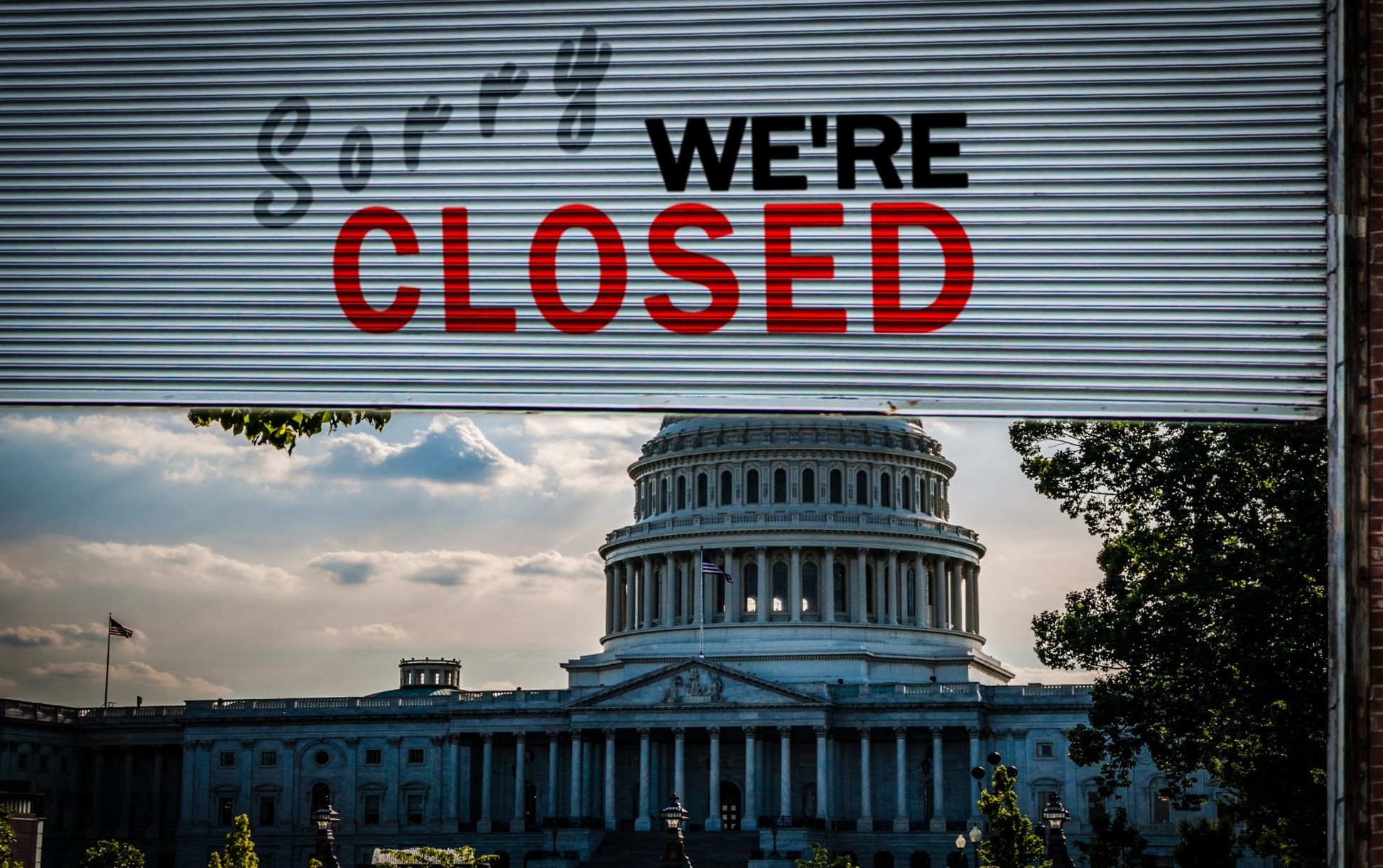

Every year, Congress is supposed to complete one of its most basic responsibilities: pass a federal budget to avoid a government shutdown. The process begins when the President submits a proposed budget, usually in February, outlining suggested priorities for the upcoming fiscal year. From there, Congress is expected to hold hearings, negotiate funding levels, and pass twelve separate appropriations bills—each covering a different part of the government, like defense, transportation, education, and agriculture.
In theory, this system allows for careful consideration of each department’s needs and goals. But in practice, passing all twelve bills on time is rare. When Congress falls behind, it often bundles several of the remaining appropriations bills into a single massive legislative package known as an omnibus. An omnibus bill is essentially a legislative all-in-one—it allows lawmakers to fund multiple agencies at once, often with limited debate or amendment. It’s not ideal for transparency or precision, but it’s become a practical workaround for a gridlocked Congress.
When even an omnibus package can’t be passed in time, Congress turns to a Continuing Resolution, or CR. A CR keeps the government running by extending funding at last year’s levels, essentially putting things on autopilot for a little longer. While CRs prevent immediate shutdowns, they come at a cost: they delay new initiatives and prevent agencies from planning long-term. It’s like driving with the parking brake on—you’re still moving, but not as effectively as you could be.
What Happens in a Government Shutdown?
A shutdown occurs when Congress fails to pass either a budget or a CR by the start of the new fiscal year (October 1). At that point, funding lapses, and many federal agencies are legally required to stop operations.
It’s important to understand that not everything shuts down. Essential services—like the military, border protection, and air traffic control—continue, though often with staff working unpaid until the shutdown ends. But many other government functions are paused or severely limited. These may include:
- Processing of passports and visas
- National park operations
- Scientific research grants
- Small business loan approvals
- Federal housing assistance programs
Even services that remain operational often experience strain due to reduced staffing, delayed payments, and suspended training or procurement efforts. The impact ripples across the country—not just in Washington, D.C.
It Doesn’t Even Save Money
A common misconception is that a government shutdown saves taxpayer dollars. In reality, it tends to cost more. Furloughed federal workers are typically guaranteed back pay once the government reopens. Meanwhile, the stop-and-start nature of operations introduces inefficiencies, delays contracts, disrupts planning, and leads to administrative backlogs.
The Congressional Budget Office estimated that the 2018–2019 shutdown—the longest in U.S. history—cost the economy around $11 billion, with about $3 billion of that never recovered. That’s not fiscal conservatism—it’s budgetary whiplash.
A Symptom of Deeper Dysfunction
Shutdowns aren’t new. Since 1980, there have been more than 20 funding gaps, some lasting only a few hours, others stretching for weeks. But the increasing frequency and length of these shutdowns reflect deeper political dysfunction. In many cases, they result not from budget disagreements alone, but from unrelated policy standoffs—using funding deadlines as leverage for other political goals.
This weaponization of the budget process undermines the public’s confidence in basic governance– but then again, so do CRs, in their own way. It’s one thing to disagree over tax rates or regulatory policy; it’s another to risk paralyzing essential public services over political brinkmanship.
Why This Matters
Even if you’ve never worked for the federal government or visited a national park, shutdowns affect the day-to-day quality of life for millions of Americans. Government touches everything from food safety inspections and disaster response to student loans and air travel. When that system grinds to a halt, the consequences are real—even if they’re not always immediate.
Beyond the logistical impact, there’s a symbolic one. A functioning democracy is expected to do the basics—like fund its operations—without drama. When Congress can’t even manage that, it’s not just inefficient. It’s demoralizing.
Keeping the lights on shouldn’t be optional. It should be the minimum standard.